Silko Volkswagen Tire Center
Tires matter more than you think. The right set changes how your Volkswagen grips, tracks, and feels on the road—especially through rain, rough pavement, and long highway drives.
We help you choose what fits your VW, then install it so everything feels consistent the moment you drive away.
Why Choose Silko VW for Tires?
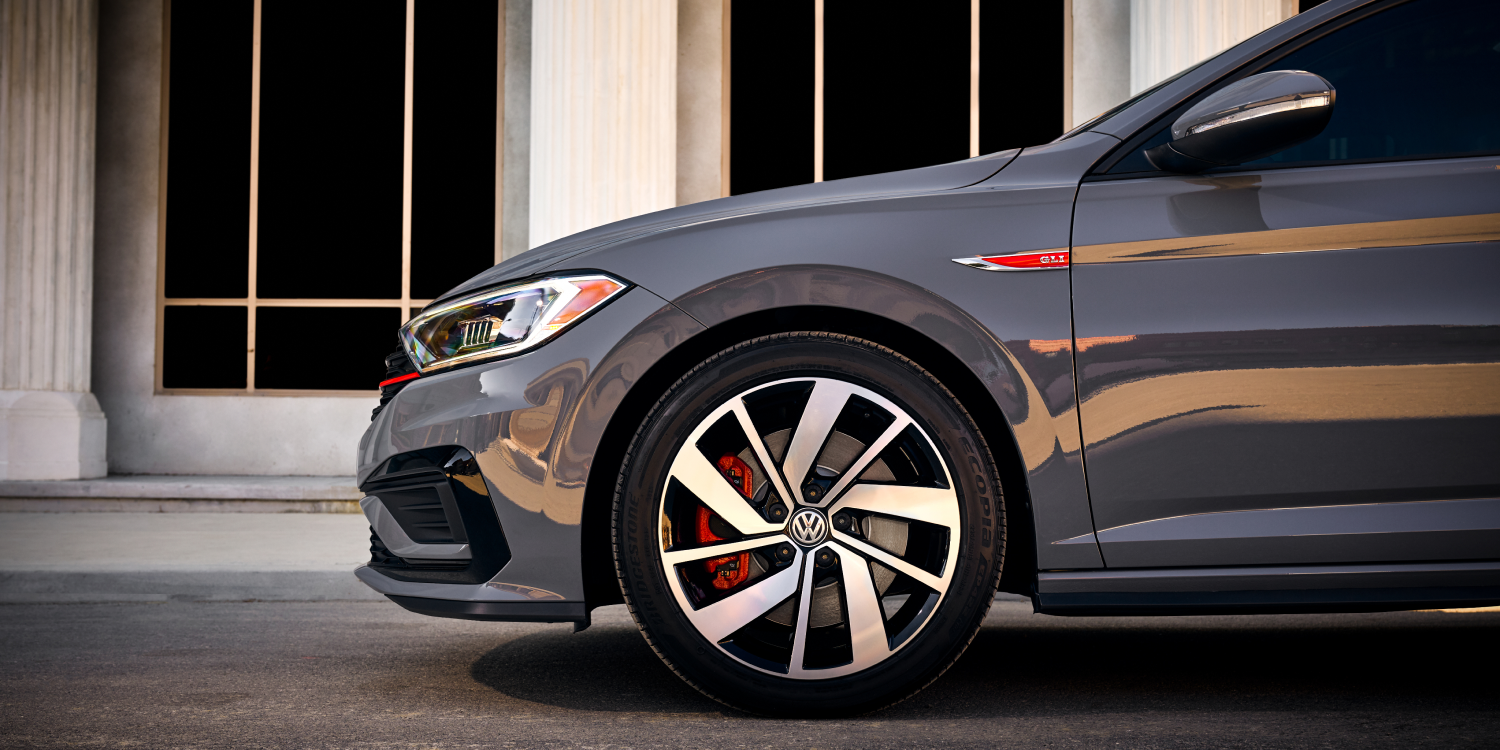
Matched to your Volkswagen’s design and performance
Every Volkswagen is built around specific handling and safety targets. We help you choose tires that align with those specs, so your vehicle keeps its intended feel on the road—whether that means steady highway tracking or better grip when conditions change.
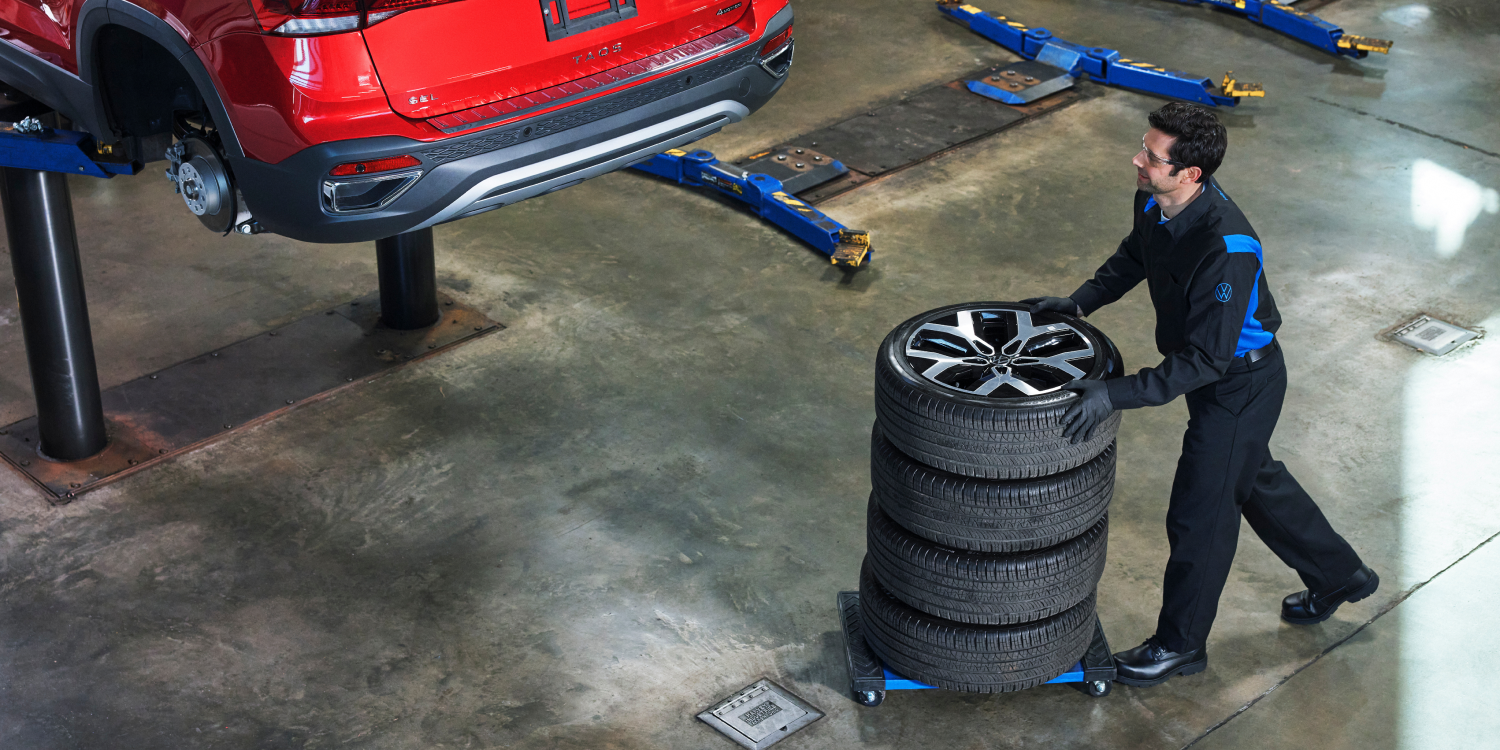
Installed by technicians who know your VW
Proper installation affects ride quality and tire life. Our Volkswagen-trained technicians handle mounting, balancing, and alignment using the right procedures for your model, so everything feels consistent from the first drive forward.
30-Day Price Match for added confidence1
If you come across the same eligible tire at a lower price within 30 days, we’ll match it. That gives you the flexibility to move forward now without wondering if you should have waited.
24-Month Road Hazard Coverage available2
Rough pavement, debris, and unexpected damage happen. Eligible tires include available road hazard coverage for up to 24 months, helping protect your investment when everyday driving throws something at you.
When Should You Replace Your Tires?
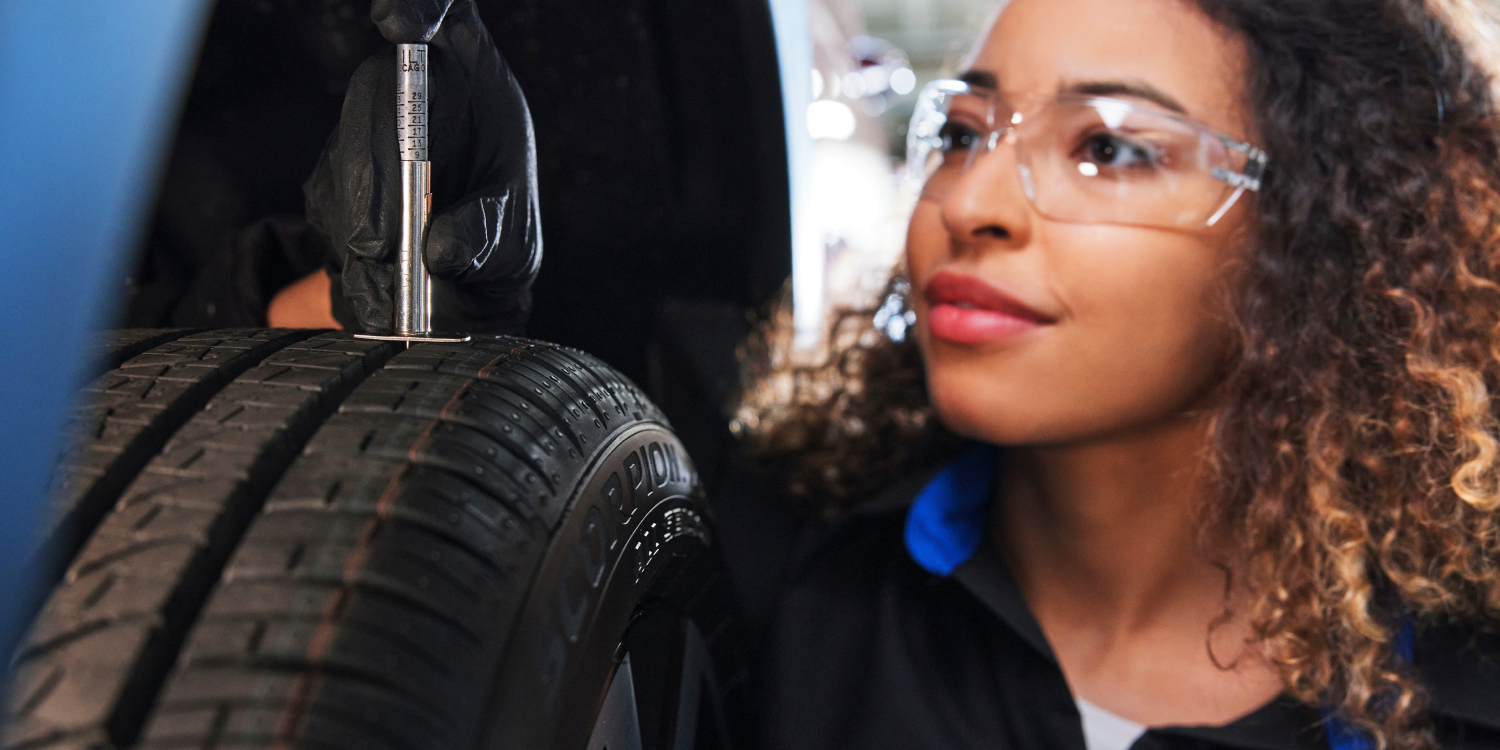
Tires wear gradually, but the change shows up quickly in how your Volkswagen handles. As tread depth drops, stopping distances increase and grip in wet conditions becomes less predictable. Most tires include built-in wear indicators that appear at 2/32 of an inch—the legal minimum—but many drivers choose to replace sooner, closer to 4/32, to maintain stronger traction in rain.
Wear doesn’t happen evenly. Driving habits, alignment, road surfaces, and seasonal temperature swings all play a role in how quickly tires break down. That’s why a quick visual check only tells part of the story. Measuring tread depth and checking for uneven wear gives a clearer picture of how much life your tires actually have left.
If you notice slipping in the rain, visible wear bars, cracking in the rubber, or new vibration at highway speeds, it’s time to take a closer look. We can measure your tread, check condition across all four tires, and help you decide when replacement makes sense based on how you actually drive.
Noticing Tire Wear or Changes in How Your VW Drives?
Uneven tread, vibration, or reduced grip in the rain usually means it’s time for a closer look. We’ll check your tires, measure wear, and help you decide what makes sense next—no guesswork.
What Are Your Tires Telling You?
Uneven tread, vibration, and changes in steering feel usually point to something specific. These quick sections explain what common tire wear patterns can mean for your Volkswagen and when to schedule a closer inspection.
Air Pressure: Edge Wear, Center Wear, and TPMS Alerts ▼
Tire pressure changes with temperature, and even a small drop can affect how your VW feels on the road. Underinflated tires often wear faster along the outer edges, while overinflated tires can wear more through the center of the tread. If your TPMS light comes on after a cold morning or keeps returning after you add air, we can check for leaks, measure tread depth, and confirm whether pressure caused the wear.
Alignment: Pulling, Inside Wear, and Off-Center Steering ▼
A Volkswagen should track cleanly when the alignment stays in spec. If the steering wheel sits off-center, the vehicle pulls, or the inside edge of a tire wears faster than the rest, alignment needs attention. Potholes, curb contact, and worn suspension components can all change wheel angles. A quick alignment check helps protect tread life and keeps the vehicle more settled at highway speed.
Rotation and Balance: Keeping Wear Consistent ▼
Regular tire rotation helps each tire share the work more evenly. Front tires often carry more steering and braking load, so they can wear faster when rotations get skipped. During tire service, we can also check balance, which matters when a Volkswagen starts to feel shaky through the seat or steering wheel at speed. Keeping rotation and balance on schedule helps the full set last longer and keeps the drive smoother.
Road Impacts: Potholes, Debris, and Sidewall Damage ▼
A hard hit can damage more than the tread surface. Potholes and road debris can bend a wheel, weaken a sidewall, create a bubble, or cause internal tire damage that does not always show immediately. If your VW develops a new vibration, pull, thump, or rapid tread change after an impact, have it inspected before the tire gets worse. Road hazard coverage can also help when an eligible tire cannot be safely repaired.
Tread Depth: When Replacement Starts to Make Sense ▼
Built-in tread wear bars become visible when tread reaches 2/32 of an inch, but wet-weather grip starts to fade before that point. Many drivers replace tires closer to 4/32 of an inch to keep stronger traction in rain. We can measure tread depth across each tire, check for uneven wear, and help you decide whether your current set still has life left or whether replacement makes more sense now.
Tire Maintenance That Helps Your Set Last Longer
Tire wear depends just as much on maintenance as it does on mileage. Regular rotations help each tire carry a more balanced load, which keeps wear from building up too quickly on one axle. Most Volkswagen models benefit from rotating every 5,000 to 7,500 miles, especially if your driving includes a mix of stop-and-go traffic and highway time.
Balancing plays a different role. When a tire falls out of balance, you’ll usually feel it at speed through the steering wheel or seat. Left alone, that vibration can wear down tread unevenly and shorten the life of the tire. Keeping everything balanced helps the vehicle stay smooth and settled at highway speeds.
Alignment ties it all together. If your Volkswagen starts to pull or you notice uneven wear along one edge, the alignment may have shifted. Even small changes in wheel angle can wear through a tire faster than expected. Staying on top of rotations, balance, and alignment checks helps you get more miles out of your tires and keeps the drive consistent day to day.
Tire FAQs: Answers to Common Tire Questions
How often should I replace my tires? ▼
Most tires reach the end of their usable life between 30,000 and 60,000 miles, but tread depth matters more than mileage alone. Once tread drops below about 4/32 of an inch, wet traction starts to fall off. If wear indicators are showing or grip feels reduced in rain, it’s time to plan for replacement.
What tread depth is considered too low? ▼
The legal minimum is 2/32 of an inch, but most drivers replace tires sooner. Around 4/32, braking and cornering in wet conditions start to change. Replacing before reaching the minimum helps keep traction more predictable.
How often should tires be rotated? ▼
A rotation every 5,000 to 7,500 miles works for most Volkswagen models. This keeps wear more even between front and rear tires and helps the full set last longer.
What causes uneven tire wear? ▼
Uneven wear usually comes from alignment changes, inconsistent tire pressure, or skipped rotations. It can also develop after road impacts. Checking tread across all four tires helps identify the cause early.
Why does my car shake at highway speeds? ▼
Vibration at speed often points to a tire that’s out of balance or unevenly worn. In some cases, it can also come from internal tire damage. A balance check usually resolves it if caught early.
How does tire pressure affect wear? ▼
Low pressure tends to wear the outer edges of the tire, while high pressure can wear the center. Even small changes in pressure over time can affect how evenly the tire wears and how it grips the road.
Do I need an alignment when replacing tires? ▼
Not always, but it’s worth checking. If the previous tires show uneven wear or the vehicle doesn’t track straight, an alignment helps protect the new set from wearing down too quickly.
What happens if I wait too long to replace tires? ▼
As tread gets low, stopping distances increase and traction becomes less predictable, especially in rain. Waiting too long also increases the chance of uneven wear or damage that can’t be corrected.
Are all tires the same for my Volkswagen? ▼
No—different tires change how your Volkswagen drives. Tread design, compound, and construction all affect grip, road noise, and ride feel. Choosing the right type makes a noticeable difference in how the vehicle behaves.
Where can I get my tires checked or replaced near me? ▼
We handle tire inspections, rotations, and replacements right here at Silko Volkswagen. Drivers from Easton, Brockton, Hanover, Fall River, North Attleboro, Norwood, Braintree, and Raynham rely on us for straightforward tire service and accurate recommendations. Whether you’re dealing with daily highway miles or changing road conditions across the South Coast, we can help you choose the right set and get it installed the right way.
Why Choose Silko Volkswagen for Tire Service
We don’t treat tires like a simple replacement item. Every Volkswagen responds differently depending on the tire you choose, how it’s installed, and how the vehicle is set up afterward. We take the time to match the right tire to your model and make sure everything—from balance to alignment—works together the way it should.
When something feels off, we don’t guess. We measure tread depth, check wear patterns across all four tires, and look at how the vehicle is tracking on the road. That gives you a clear answer on what’s actually causing the issue and what needs to happen next.
We’re proud to serve drivers from Easton, Brockton, Hanover, Fall River, North Attleboro, Norwood, Braintree, and Raynham, helping Volkswagen owners stay confident through wet roads, rough pavement, and long highway drives across the South Coast. The goal is simple: your vehicle should feel stable, predictable, and consistent every time you get behind the wheel.
KEEP EXPLORING:
DISCLAIMERS:
*To receive a price match, tires must meet the specifications of the vehicle’s owner’s manual and be purchased through the Volkswagen Tire Store. Customer must present a lower pre-tax printed competitor quote for identical tires dated within 30 days of purchase. Competitor must have a physical retail location within 50 miles of the dealership. Excludes quotes that include rebates, clearance pricing, closeouts, or promotional pricing. Additional restrictions apply. Valid at participating Volkswagen dealerships only. See dealership or vwtirestore.com for full details.
*Road Hazard Protection is provided by a third party. Coverage ends at the earlier of 24 months from purchase or when tread depth reaches less than 2/32 of an inch. Coverage provides up to 100% protection during the eligible period. Applies to select Volkswagen-approved tire types including original equipment, approved alternatives, winter tires, and tire and wheel packages. Excludes mounting and balancing. Non-transferable. Additional restrictions may apply. Valid at participating Volkswagen dealerships only. See dealership or vwtirestore.com for details.
*Tire life, tread wear, and performance will vary based on driving habits, road conditions, weather, vehicle maintenance, and tire type. Regular inspections and maintenance are required to help maintain tire performance and lifespan.