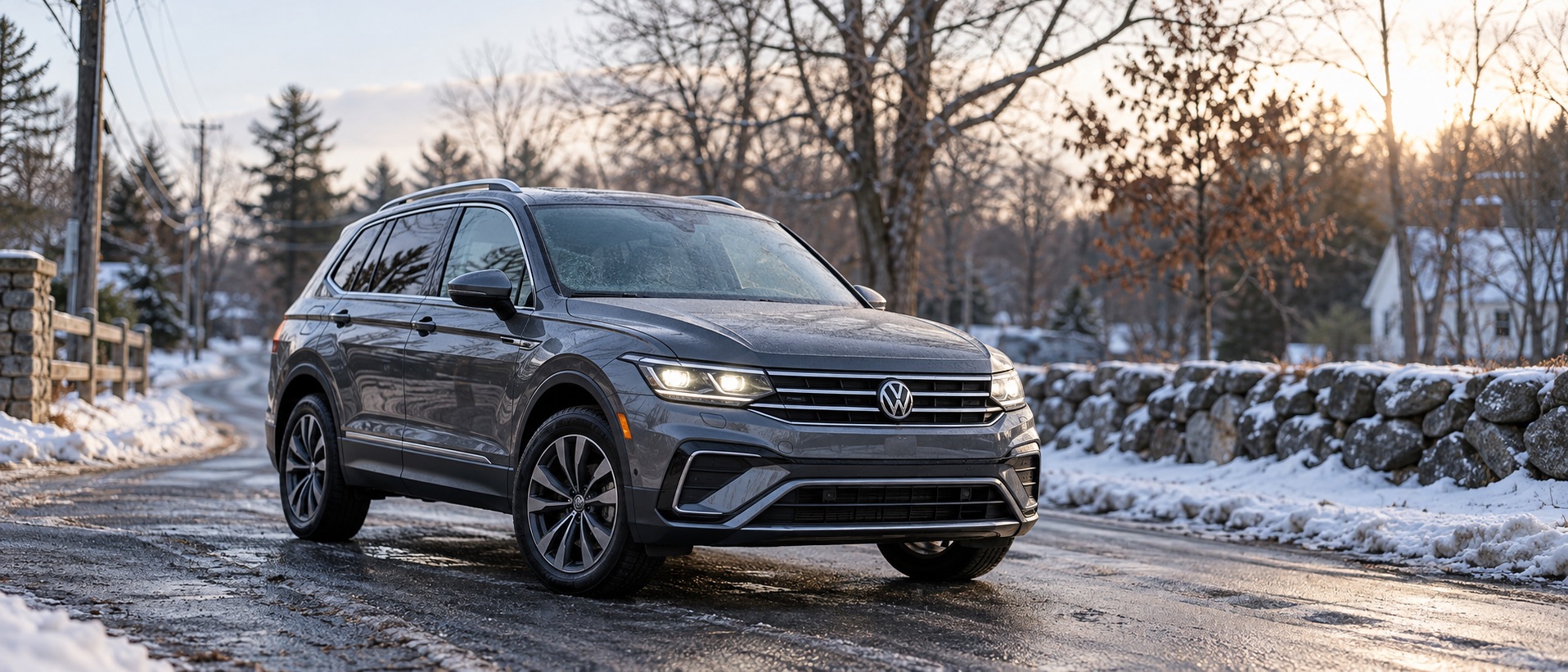
Cold Air After Warm-Up Points to a Heating-System Problem, Not Just Cold Weather
A cold Volkswagen naturally needs time to warm up on a Massachusetts winter morning. Persistent cold air after the vehicle reaches normal operating temperature is different. On Volkswagen models that use engine coolant for cabin heat, low coolant, a thermostat problem, restricted heater-core flow, or a circulation issue belongs on the diagnostic list. HVAC doors, actuators, controls, sensors, and other heating-system components can also change the temperature coming from the vents.
The exact system varies by Volkswagen model, model year, and powertrain, so the symptom is a starting point rather than a remote diagnosis. Our Volkswagen service team can inspect the vehicle and identify what is actually preventing the cabin from warming properly.
Is the Air Cold, or Is There Barely Any Air Coming Out?
Those are different complaints. Separating temperature from airflow gives the technician a better starting point.
Strong Airflow, but the Air Stays Cold
If plenty of air reaches the cabin but it never becomes warm, the diagnostic path focuses more heavily on how heat is being produced, transferred, and commanded. Coolant temperature and circulation, thermostat operation, heater-core flow, temperature-control doors, actuators, sensors, and control inputs all become relevant depending on the vehicle.
Very Little Air Comes From the Vents
Weak airflow sends the inspection in another direction. Cabin-filter restriction, blower operation, air-distribution doors, electrical controls, ducting, or another HVAC airflow problem can reduce what reaches the vents even when the heating side of the system is producing heat.
What Your Volkswagen Heater Is Doing Matters
Notice when the problem happens. A consistent description is more useful than trying to name the failed component before the vehicle has been inspected.
| What You Notice | What It Tells the Technician | Best Next Step |
|---|---|---|
| Heat stays cold after normal warm-up | The vehicle is not transferring or commanding cabin heat normally. | Schedule HVAC and heating-system diagnosis. |
| Heat gets warmer while driving but cools at idle | Operating speed appears to change the symptom, which is useful diagnostic information. | Tell the service advisor exactly when the temperature changes. |
| One temperature setting or side behaves differently | Temperature-control, actuator, sensor, or air-distribution operation becomes especially relevant. | Describe which vents, zones, and settings reproduce it. |
| Airflow is weak at every temperature | The concern involves airflow as well as, or instead of, heat production. | Request an HVAC airflow inspection. |
| Cold heat plus overheating, coolant warning, steam, or a major temperature warning | The issue extends beyond cabin comfort and requires immediate attention. | Follow the vehicle's warning instructions and avoid continuing to drive when the vehicle directs you to stop. |
Why a Volkswagen Heater Can Blow Cold Air
Several systems influence cabin temperature. These are diagnostic possibilities, not a checklist for replacing parts.
Coolant Level or Coolant-System Problem
On vehicles that use heated engine coolant for cabin heat, the heating system depends on proper coolant circulation. A low level or cooling-system fault can affect both cabin heat and engine temperature management.
Thermostat Operation
The thermostat plays a central role in engine temperature regulation on applicable Volkswagen powertrains. A temperature problem that keeps the engine from reaching its intended operating range can also affect available cabin heat.
Heater-Core Flow
The heater core transfers heat into cabin airflow on many vehicles. Restricted or abnormal flow through that part of the system can reduce heat even when the blower itself continues moving air.
HVAC Doors or Actuators
The HVAC housing controls where air travels and how heated and unheated air are blended. A door, actuator, or related control problem can leave vent temperature different from the setting you selected.
Sensors or Climate-Control Inputs
Automatic climate-control systems depend on multiple inputs. Diagnosis can include checking whether the system is receiving and acting on accurate temperature and control information.
Model-Specific Heating Components
Volkswagen heating systems are not identical across every model and powertrain. The technician needs the exact vehicle information before deciding which components, procedures, and specifications apply.
Cold Cabin Heat Is More Urgent When the Vehicle Also Shows a Cooling-System Warning
Cabin comfort is one thing. An overheating warning, abnormal engine-temperature indication, coolant warning, steam, visible fluid loss, or a dashboard instruction to stop the vehicle changes the situation. Follow the warning displayed by the Volkswagen and the instructions in the owner's literature.
Never open a hot cooling system. Hot coolant can be pressurized and can cause serious burns. When an overheating condition or warning makes continued driving unsafe, stop in a safe location and arrange professional assistance.
Loss of Heat Also Affects Windshield Clearing
A working HVAC system does more than keep the cabin comfortable. Heat, airflow, and climate-control operation also affect how effectively the vehicle clears interior fog and moisture from the glass.
If the windshield repeatedly fogs and the HVAC system cannot maintain the visibility needed for safe driving, treat that as a driving-safety concern rather than waiting for a more convenient repair date.
Tell Us Exactly When the Heat Changes
A symptom that appears only under certain conditions gives our service team useful information before diagnosis begins. When you schedule, tell us:
- Whether the engine had fully warmed up.
- Whether heat changes between driving and idling.
- Which vents or climate zones behave differently.
- Whether airflow itself is weak.
- Whether any warning lights or messages appear.
- Whether you noticed fluid, odor, noise, or another recent change.
Bring the Symptom to a Volkswagen Service Team That Knows the Vehicle
At Silko Volkswagen of Easton, our service department handles Volkswagen HVAC service, diagnostics, cooling-system work, maintenance, and repairs. Volkswagen-certified technicians have the vehicle-specific training and diagnostic resources needed to move from a vague symptom like “the heater is cold” to the actual system responsible.
We serve Volkswagen owners throughout Easton, Brockton, Stoughton, Mansfield, Bridgewater, Raynham, and communities across southeastern Massachusetts from our service center at 661 Washington St in Easton.
What Happens When We Diagnose a Heating Complaint?
Diagnosis follows the vehicle and the symptom rather than assuming every cold-heater complaint has the same repair.
Confirm the Complaint
Your description of when the air turns cold, which settings are involved, and whether other symptoms appear gives the inspection a focused starting point.
Inspect the Relevant Systems
The technician follows the systems that apply to the specific Volkswagen instead of substituting a generic repair list from another model or powertrain.
Identify the Cause
Testing determines whether the concern involves heat generation, coolant circulation, airflow, climate-control operation, electrical control, or another vehicle-specific issue.
Review the Repair
Once the cause is identified, the service recommendation can focus on the work the vehicle actually needs instead of replacing parts based on symptoms alone.
Bring Us the Symptoms. We’ll Handle the Diagnosis.
You do not need to figure out whether the problem is the thermostat, heater core, coolant circulation, an actuator, or another HVAC component before scheduling service. Tell us what the heater is doing, when the symptom appears, and whether anything else changed at the same time.
That gives our Volkswagen service team the right starting point to inspect the vehicle, reproduce the concern, and determine what is actually keeping the cabin from warming properly.

Long-Term Volkswagen Ownership Support Goes Beyond One Repair
Qualifying vehicles include SilkoCare Plus ownership benefits such as Lifetime Powertrain Warranty coverage, Buy One Get One FREE oil changes, and complimentary car washes. Those benefits are separate from the diagnosis of a heater concern, but they are part of the long-term ownership support available through Silko Volkswagen of Easton.
Eligibility, coverage, maintenance requirements, exclusions, and program terms apply.
Frequently Asked Questions
Volkswagen Heater Questions
Get quick answers about cold cabin air, low coolant, changing heat, weak airflow, warning signs, and when to schedule Volkswagen heating-system service.
Why Service With Us
SilkoCare Plus and Generations of Local Ownership
Free Lifetime Powertrain Warranty
Qualifying vehicles include lifetime powertrain warranty coverage through SilkoCare Plus, subject to eligibility, maintenance requirements, exclusions, and program terms.
BOGO Oil Changes
SilkoCare Plus includes Buy One Get One FREE oil changes for qualifying vehicles, adding ongoing value to routine Volkswagen ownership.
Complimentary Car Washes
Complimentary car washes and walk-in wash benefits are part of the SilkoCare Plus ownership experience for qualifying customers.
Family-Owned and Operated Since 1962
Silko has been family owned and operated since 1962, with third- and fourth-generation ownership and a new Easton facility opened in 2025.
Get Your Volkswagen Heat Working Properly Again
If the heater stays cold after warm-up, changes temperature while you drive, struggles to clear the windshield, or comes with another cooling-system symptom, bring us the details. Our Volkswagen service team can diagnose the actual cause and explain what the vehicle needs.
Silko Volkswagen of Easton • 661 Washington St, Easton, MA 02375 • Service: 508-587-2200
DISCLAIMERS:
*This article provides general Volkswagen heating and HVAC information and does not diagnose a specific vehicle.
*Heating, cooling, and climate-control systems vary by Volkswagen model, model year, powertrain, equipment, and vehicle condition. Follow the owner's literature and dashboard instructions for the specific vehicle.
*Never open a hot or pressurized cooling system. Follow vehicle warnings involving overheating, coolant temperature, or instructions to stop driving.
*SilkoCare Plus eligibility, benefits, coverage, exclusions, maintenance requirements, and other program terms apply. Review current program details for the specific vehicle.